Day 2 – Closing Keynote – 3:00-3:45 PM
Room: Affectiv
Stop Chasing the Ball. Start Anticipating It.
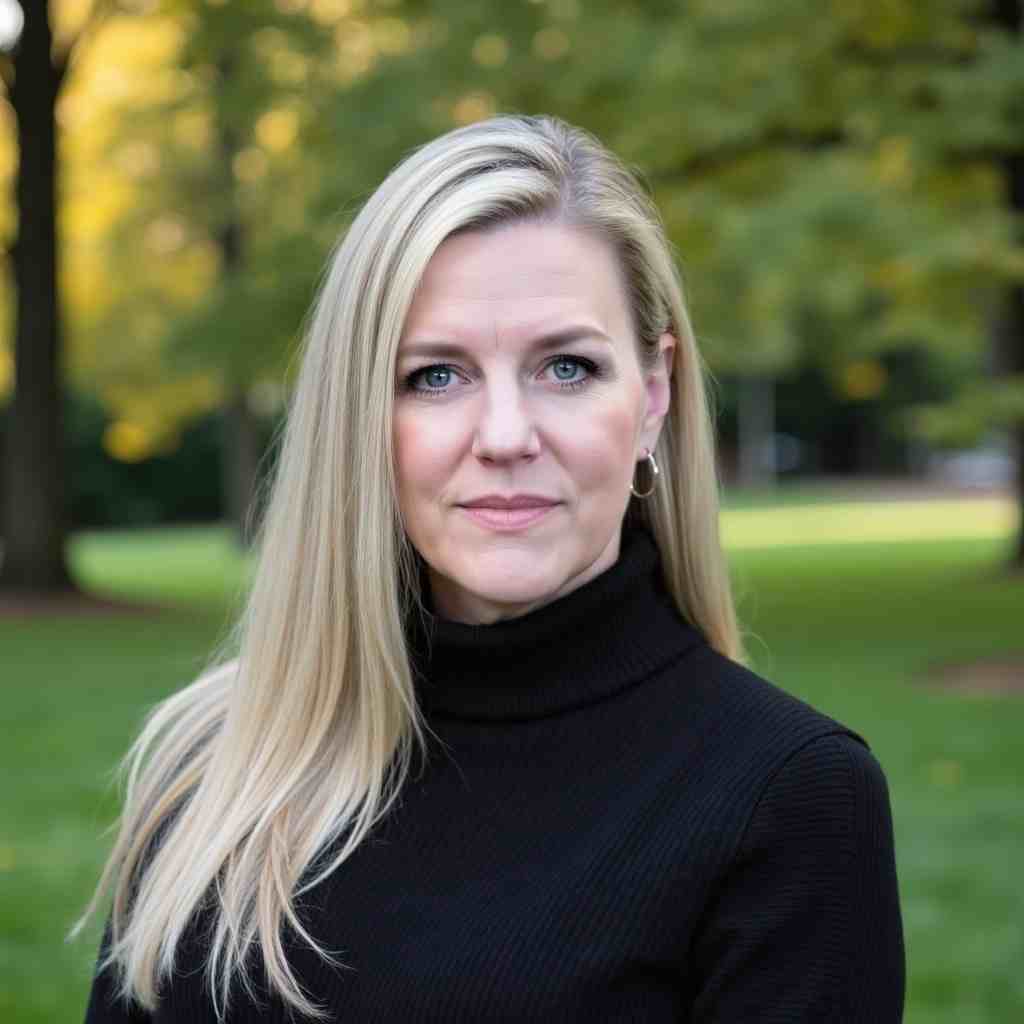
Andrea Sorensen · RizeCon 2026 · Pocatello
Most business failures aren’t caused by bad intentions — they’re caused by moment-by-moment behaviors that quietly undermine the goals leaders are sincerely working toward. Andrea Sorensen drew on her master’s thesis research, twenty-five years of studying change, and a TaeKwondo black belt earned over eight years alongside her son to introduce the Infinity Model: a framework for understanding exactly where businesses break down and how to become the trusted guide customers desperately need in a world of infinite noise.
The statistics are discouraging on the surface — 90% of startups fail, 90% of New Year’s resolutions fail, and organizational transformation follows the same arc. But Andrea’s argument is that odds are irrelevant. What matters is whether you understand the principles that determine success, whether your moment-by-moment actions align with your actual goals, and whether you can see the gaps your competitors are missing.
What she covered
Subtle Sabotage. The thesis behind the session and Andrea’s actual master’s research. She studied leaders implementing change who were, by every outward measure, botching it. She expected to uncover bad intentions. Instead she found something more unsettling: their intentions were good, but their moment-by-moment behaviors consistently pointed away from their stated goals — and they couldn’t see it. Subtle sabotage is the gap between what you want and what you’re actually reinforcing through your daily actions. Andrea named eight of these traps in the session, all of them common in growing businesses.
The Infinity Model — broken side. Andrea’s visual framework maps a business from the leader’s vision (node one) through team execution (node two), a critical but often missing guide role (node three), into the customer journey: discovery, exploration, decision, action, and return. Word-of-mouth referrals carry 75% more impact than any other form of marketing — but only if the loop closes. The problem is that most of the customer journey lives in what Andrea calls dark metrics: data you don’t have, silence you aren’t listening for, and drop-offs you never see because you only count the ones who showed up.
The phygital customer. Customers are never alone — their mobile device is always with them, and they check it over 200 times a day. Every interaction your business has with a customer is now a combination of physical and digital, whether you’ve designed it that way or not. The customer journey is no longer linear: customers decide the order and pace, they disappear and reappear, and the moment that matters most to them — the decision, and the experience afterward — is almost never the moment businesses are optimizing for, which is the purchase.
The eight-second window. Human attention spans have dropped below eight seconds — shorter than a goldfish’s — because of constant switch-tasking driven by smartphones and social platforms. The platforms businesses rely on for marketing are now their competition: the average person sees up to 10,000 ads per day, and even customers actively searching for you will be served your highest-paying competitors right next to your listing. If you don’t meet a customer at their touchpoint within eight seconds and make connecting with you easier than asking Siri or ChatGPT, they leave with their money.
The guide opportunity. Within that disruption is the biggest opportunity Andrea sees for businesses right now. Customers are drowning in information they can’t trust from sources they don’t know. They need a guide — a trusted expert who is present in the moments that matter, who isn’t manipulating them toward a commission, and who helps them navigate toward their actual goals. The businesses that earn that role will have something no ad spend can buy: loyalty. The Infinity Model’s right side is built around becoming that guide — being present all the way through the ongoing relationship, not just at the transaction.
Find the leverage points. Not all moments in the customer journey are equal. A hospital Andrea worked with was spending millions on marketing while 300,000 patients sat in waiting rooms accumulating 180,000 hours of undivided attention per year — and doing nothing with it. Meanwhile, 80 to 95% of first-time patients never return after their initial visit, and 40% of established patients don’t come back after any given appointment. The gap between what businesses invest in acquisition and what they invest in the relationship after the sale is one of the most overlooked leverage points in business.
What attendees got
Andrea and Ryan Kohler partnered to offer a VIP gift to every RizeCon attendee: the RiseX Vision Infinity Pro package, valued at $1,500. Attendees who scan the QR code (or receive the text link) get a subscription to the Pro Card Suite — a tool designed to build the personal connection layer between businesses and their customers — plus a three-session webinar series where Andrea will walk each business through mapping their own Infinity Model, connecting the dots across the full customer journey from discovery through ongoing relationship.
One story that landed
Andrea’s father taught her chess at age six. She lost badly and often. But when she’d reach the point of hopelessness — pieces depleted, game seemingly over — her father would turn the board around and proceed to beat her using her own pathetic pieces. Humbling, yes. But the lesson she’s carried into every business challenge since is this: step back, look at it clearly, and you have moves. The game is not over. She said she’s thought about that moment a billion times since starting her businesses — and it’s the same clarity she asks clients to find when the data looks bleak and the odds feel impossible.
“Their intentions were actually good, and yet their moment-by-moment behaviors did not point them toward the goal. So their moment-by-moment actions were sabotaging the end result that they were working toward — and they couldn’t see it.” — Andrea Sorensen
“The best businesses are personal. There is a connection, there is a feeling that the customer is being taken care of.” — Andrea Sorensen
About the speaker
Andrea Sorensen is a process engineer turned entrepreneur whose master’s research on subtle sabotage grew out of a phenomenological study of leaders implementing organizational change. She works with businesses in the five to fifty million dollar range on customer journey strategy, brand architecture, and the human side of growth. She’s also a TaeKwondo black belt (eight years, earned alongside her son), a racquetball enthusiast who learned to anticipate the ball from ladies in their eighties, and the founder of RizeX.