Day 2 – Breakout Session 6 – 11:15-11:45 AM
Room: Affectiv
You’re Not Burnt Out. Your Business Is Broken.
Ryan Harris · RizeCon 2026 · Pocatello
Seventy percent of organizations generating between $500,000 and $20 million in revenue have never documented a single standard operating procedure. They know the work. They do the work. They teach the work by standing next to someone and saying “just watch me.” And then that person asks the same question six weeks later, and the owner answers it again — because the knowledge was never in the system. It stayed in the head. Ryan Harris built Playbook Ops to fix that problem, and his RizeCon session showed exactly why the burnout that business owners feel is almost always a systems problem, not a people problem.
The framing: if your business depends on you, you don’t own a business. You own a job.
What he covered
The burnout cycle is a design problem. The word burnout comes up constantly at the RiseX roundtables Ryan runs. But when he digs into what’s actually happening, it’s almost never about exhaustion from meaningful work — it’s the exhaustion of being the system. Growth creates complexity. Complexity generates questions and interruptions. Interruptions make it feel faster to just handle everything yourself. So the owner handles it. That frees the team from figuring it out. Which generates more questions next time. The cycle is self-reinforcing, and you cannot work your way out of it. You have to redesign it.
Tribal knowledge is a liability. Every business has critical information that lives entirely in one person’s head — the founder’s, the manager’s, or the key employee’s who just gave notice. When that person is gone, sick, or on vacation, the work doesn’t happen. Ryan calls this tribal knowledge: the know-how that everyone relies on but nobody ever wrote down. The test is simple: if you had to take a month off, what would break first? If the answer comes quickly, that’s the bottleneck. That’s the SOP that needs to exist.
Why SOPs fail — and what makes them actually work. Most standard operating procedures fail for the same three reasons: they live in people’s heads and never get written, they’re too complex to use once they do exist, or they get written and then forgotten in a folder on the hard drive that nobody can find when the situation comes up again. The solution isn’t more discipline about writing them — it’s reducing the friction to the point where documenting a process takes minutes, not months. Ryan’s thesis: if you standardize your business, it simplifies it. Not completely, but enough to break the burnout cycle.
The Document Wizard — voice dictation to SOP in minutes. Ryan demonstrated Playbook Ops’s Document Wizard live on stage with a guest, Katie Gasser of Visiting Angels, walking through a real process from her business. The workflow: speak the process out loud in plain language. The tool transcribes in real time, asks clarifying questions about who owns the process and what the role will be called when someone else eventually owns it, fills in eight specific structural fields, and generates a formatted SOP ready for distribution. What used to take hours of focused writing time — Katie described it as nails on a chalkboard — took minutes of conversation. The SOP for her client intake process was ready before the demo ended.
From SOP to searchable AI assistant. Once a procedure is documented in Playbook Ops, it becomes part of a searchable database. Team members can query the AI assistant for any process — they don’t have to wait for a manager to call them back, and they don’t have to dig through Google Drive folders for a document written two years ago that may no longer be accurate. The knowledge that used to live exclusively in the owner’s head is now retrievable by anyone on the team, in real time, when they need it.
SOP to project management workflow — one click. The final piece of the demo: a generated SOP can be converted into a project management workflow at the click of a button. Structured like monday.com or ClickUp, with assignable tasks and dependencies, it takes the documented process and makes it executable. Write it once, dictate it in minutes, and it flows through into the work management system where the team actually operates.
Great businesses don’t rely on people. Ryan’s closing line, which he came back to twice: great businesses don’t rely on people, they’re built by people. You need excellent operators to execute a system. But the system itself — the processes, the documented know-how, the searchable library of how things get done — needs to exist independently of any individual. When it does, the owner can step away without everything sliding. That’s not a luxury. That’s the design.
What attendees got
The live demonstration featured a real client intake SOP built for Visiting Angels during the session — a complete, formatted document generated from a 10-minute voice conversation. Katie Gasser confirmed on stage that having documented SOPs in place meant that when she recently went on vacation, nobody called her. That was a first.
The Playbook Ops booth was in the hall — staffed by Preston — for anyone who wanted a hands-on walkthrough. Ryan also runs RiseX roundtables where these systems conversations happen in smaller group settings for business owners in Eastern Idaho.
One story that landed
Katie Gasser went on vacation. Nobody called. She had never done that before. Before Playbook Ops, she’d check in a couple of times a day — “How are things going? Do you need anything?” — or just leave her phone on in case someone needed a decision. After working with Ryan to document her SOPs, client intakes could happen without her. Staff could execute the process because the process existed somewhere other than Katie’s head. She described it simply: “It’s shifted our entire office.” The vacation story is the proof of concept in five words: nobody called, and it was awesome.
“You’re not burnt out. Your business is broken.” — Ryan Harris
“Great businesses don’t rely on people. They’re built by people, but they rely on the systems that are developed to help grow and scale.” — Ryan Harris
About the speaker
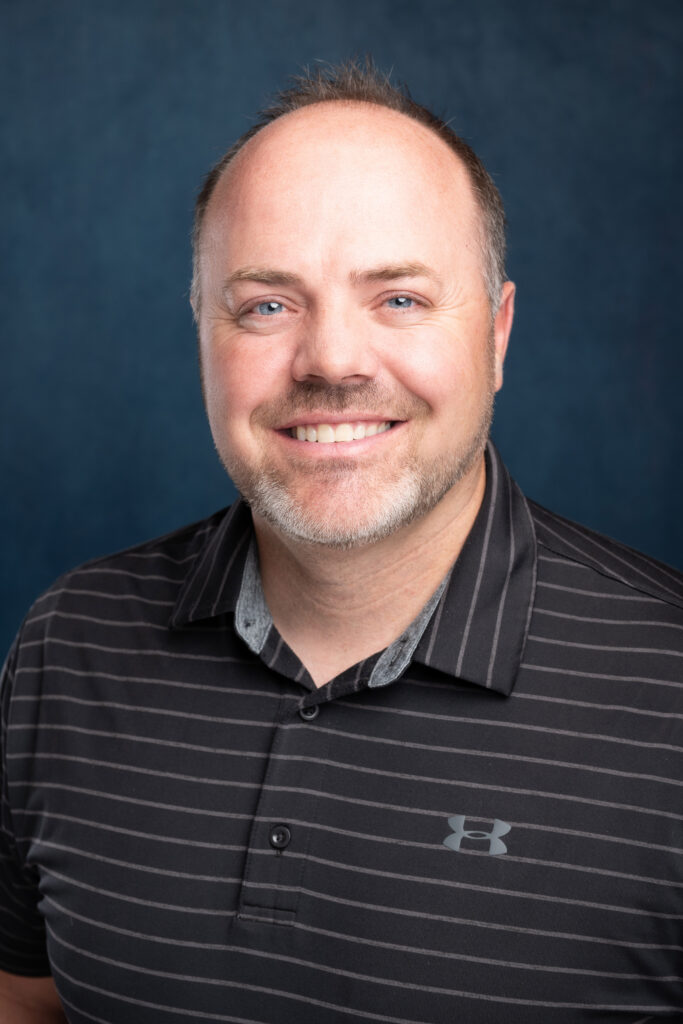
Ryan Harris is the founder of Playbook Ops and RiseX, a business operating system and community platform focused on helping small and mid-market companies build the systems infrastructure they need to grow without the owner becoming the bottleneck. He has built three companies and spent eight years developing the RiseX model of peer roundtables, tools, and events for business owners in Eastern Idaho. He organized RizeCon 2026. His background is in engineering, and his approach to business reflects it — system design first, people second.